[
]
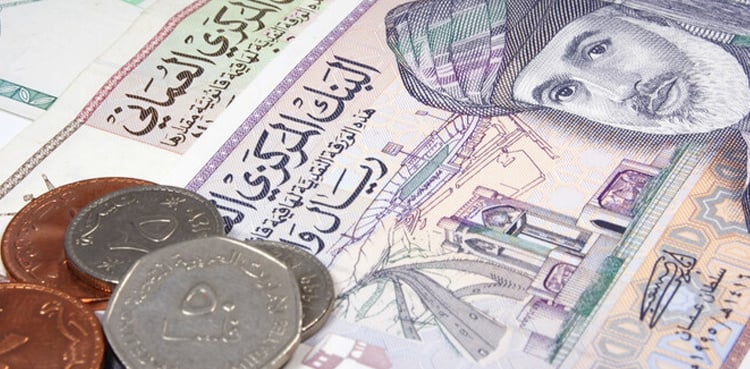
Karachi/Muscat: As of today, December 20, 2025, one Omani Riyal (OMR) is valued at 729.13 Pakistani Rupees (PKR), marking a small decline from last week’s 728.81 PKR.
Those watching the OMR to PKR exchange rate will notice the Riyal continuing its subtle downward trend, shaped by ongoing oil market pressures and solid remittance support for Pakistan. Let’s explore the key factors, revisit these two currencies, and examine the practical effects on families and trade links between the Gulf and South Asia.
The Omani Riyal (OMR) continues to embody steadfastness, anchored to the US Dollar at 2.6008 since 1986 and underpinned by Oman’s strong oil industry. It’s a haven of consistency amid regional ups and downs. Meanwhile, the Pakistani Rupee (PKR), overseen by the State Bank of Pakistan, operates with greater flexibility as a floating currency—sensitive to inflation patterns, robust overseas worker transfers, and international developments.
In recent days, the OMR/PKR pair has edged slightly higher this week, rising from around 728.81 PKR last Saturday to today’s 729.13—a minor gain of about 0.04%. The Riyal’s core support comes from Oman’s oil production, but with Brent crude settling around $60-61 per barrel amid global supply dynamics and geopolitical tensions, there’s mild downward influence. For the PKR, recent monthly remittances hovering near $3.2-3.4 billion—many from jobs in Oman—provide essential backing, as inflation has eased to around 6.1% (contrasting Oman’s steady ~1.5%). The OMR’s dollar peg aligns it closely with US trends. Sitting just below the 50-day average near 732 PKR, the rate suggests continued mild softening unless oil rebounds.
On a personal level, these changes resonate deeply. A Pakistani expat in Muscat sending 500 OMR home now transfers roughly 364,565 PKR to loved ones, a touch lower overall but crucial for offsetting costs of essentials like rice, which has seen upward pressures this year. This week’s small dip trims remittance value marginally, yet reliable Gulf streams help sustain household resilience. Bilateral trade, around $1-1.2 billion yearly—with Pakistan exporting textiles and rice, Oman providing energy products—also reflects these nuances. A slightly softer OMR could soften import expenses for Pakistani consumers of Omani items, offering a potential lift to exporters. Travelers will find 1,000 PKR still yields about 1.37 OMR for a trip to Muscat, with little change lately.
To stay ahead on OMR to PKR developments, monitor crude oil fluctuations and Pakistan’s remittance trends. Trusted real-time sources like Xe or Investing.com keep things straightforward. From sending money abroad to managing business transactions, these gradual shifts can add up over time. What’s your experience with the rate this season?
[
]
About the Author